



Frontierlands: an interview with author Hazel Sheffield
Date: 12/05/2026
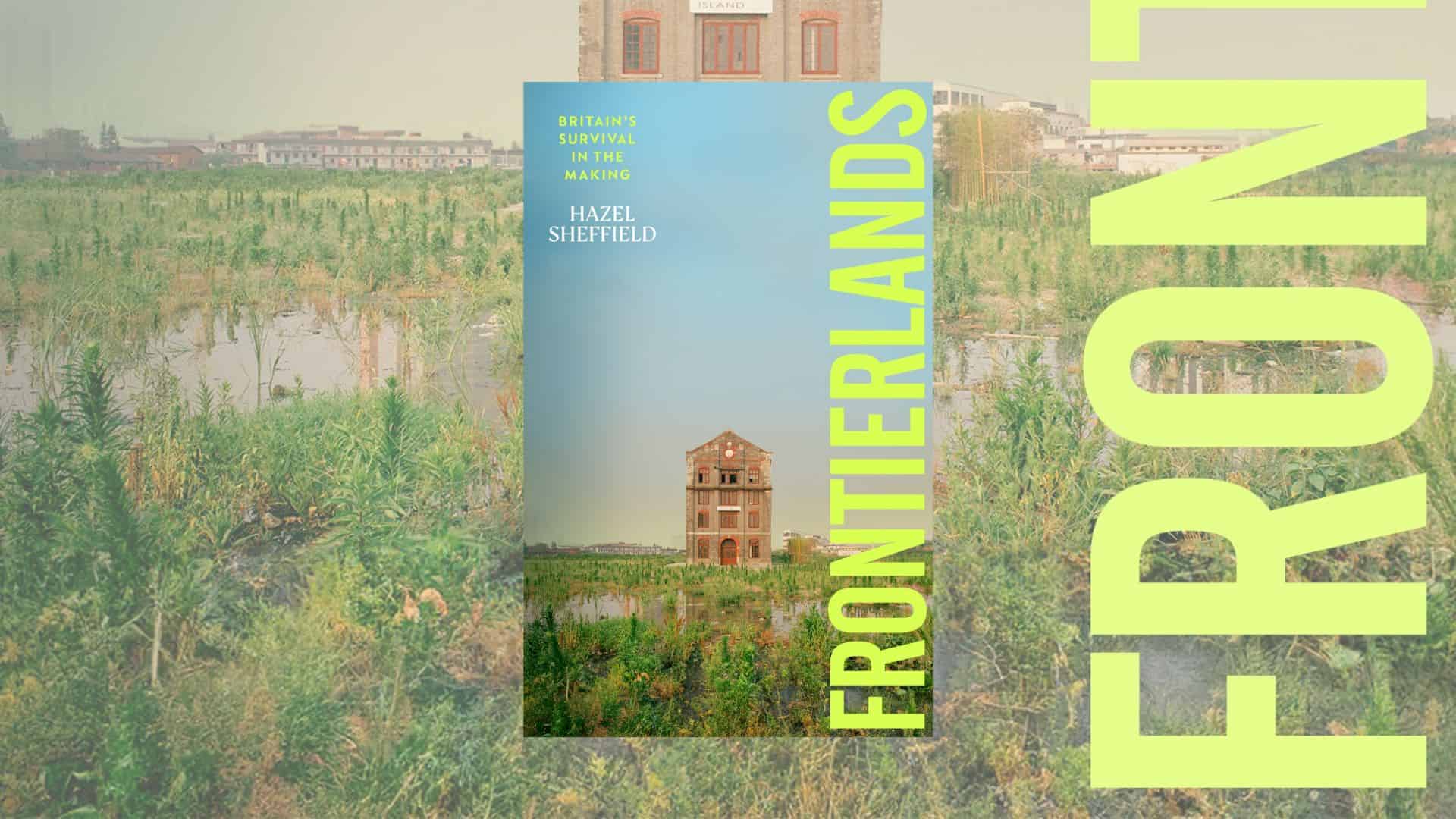
Hazel Sheffield is a business reporter and investigative journalist. We supported Hazel’s early research and mapping project, Far Nearer, which formed part of the work that led to her recently published first book, Frontierlands.
We interviewed Hazel about her research and book, which is a remarkable exploration of what can be achieved when we come together and see the possibilities in the derelict and forgotten places many of us walk by without seeing.
—
As business editor at the Independent, the shock announcement of a “leave” result in the 2016 EU referendum left Hazel with a feeling that what she was reporting on wasn’t representative of what was happening outside of London: that something fundamental was missing from the picture.
It resulted in a decade of travel and deep research, meeting people and communities across the UK who are carving out an alternative future. A different way of doing things that was specific to the needs of their place and the people who lived there.
Over the last ten years, Hazel has travelled across the UK to visit what she calls frontierlands – derelict, abandoned or fallow places. The places that have been asset-stripped or overlooked for decades. The book celebrates the communities reimagining and reconnecting with and within these spaces.
Reimagining forgotten spaces
Throughout the book, Hazel takes us to places across the UK that are impacted by asset stripping or the departure of industry: weather-worn hoardings hide long-forgotten pieces of land; profit is put above people time and time again; ill-thought-through plans to retrofit houses don’t meet the needs of the people who live in them.
The book highlights this similarity of situation but for Hazel, the striking thing is the differences between the groups she has met.
“The work being done in a neighbourhood is completely contingent on the challenge of that place. That’s why, during the pandemic, work to think about climate change or the economy in a systemic way kind of stopped because everything turned to the challenge on the doorstep. And that’s different because all neighbours are different. That’s what made this work so interesting.”
The people Hazel met are reimagining an alternative future for their local spaces. A future that meets the needs of the community because it’s imagined and developed by them.
In Birmingham, Retrofit Balsall Heath is changing the top-down approach of retrofitting homes. It’s an area of the UK where fuel poverty is linked with deaths in the winter, and conversely, there are deaths associated with heat waves in the summer because there is no shade from trees nor cooling effects from green spaces. Together they’re leading “people-powered retrofit” – knocking on doors, talking with the community and directing the work together, with residents involved in deciding priorities, shaping delivery and building skills locally.
In East Sussex, a group called Hastings Commons is redeveloping the White Rock area of the town through its community stewardship, centred around an alley that is common land: owned by no one so perfect as the focal point of collective caring. They’re transforming derelict buildings into inclusive and affordable homes, workspaces and social spaces. Together they’ve so far moved 8,500 square metres of floor space into custodian ownership, where assets are held in trust for long-term community benefit.
Reconnecting with our neighbours
The book is about abandoned land and neglected spaces. About the people who reimagined those buildings and places to support the needs of the community around them. But it’s not just about physical transformation. It’s also about the individuals and communities, about the connections made and the relationships developed.
“The groups are experimenting with different ways to engage people. It’s so exciting to me that these groups exist because they’re showing us a completely different way to engage with our neighbours. And it shouldn’t feel so strange. But unfortunately, it does.
“I think this idea of starting from a position of inclusivity and abundance flips on its head the idea that we should all be locking ourselves away and hoarding our own resources in case of the next crisis. We learn from the stories and the people in the book that how we get through times of difficulty is by relying on one another. And that ultimately, we’ll fail if we try to do everything by ourselves.”
Back in Birmingham, Retrofit Balsall Heath didn’t just help distribute the money for improving people’s homes. The community came together to paint benches, plant trees, and teach people how to ride a bike – much more than making their homes healthier and more resilient.
A different way to think about philanthropy
The book tells us about bold visions and people who push the boundaries. Their way of working challenges the constraints that many funders work within – short grant cycles, risk aversion and tightly defined outcomes – so how can we learn from their work?
“There’s a need for a completely different way to think about philanthropy in order to unlock large sums of money quickly to address what really is an unprecedented challenge.
“There’s no longer time to tinker at the edges. The book documents many well-established groups and they need multiples of millions of pounds – not thousands – to do the work that’s needed and address the challenge head-on.”
Hazel also touches on how some of the people she met through her research are now working together, seeing the similarities between their aims, and forming a network to secure larger sums by working together.
“It’s almost an underground network of groups who think differently about economies and about climate change within their neighbourhoods. And they’re now working together on proposals to try and unlock large sums of money so they can support one another.
“I think that’s a really exciting proposition to fund. Funders need to start thinking more systemically about funding. Rather than thinking about one or two organisations, a few thousand pounds here or there. Perhaps there’s the opportunity to explore a rethinking of financing to support alternative futures work.”
What’s next?
Frontierlands leaves you optimistic and thoughtful about your own community. And for funders and organisations, it offers evidence that long-term, trust-based investment in place can open up futures that the current way of working doesn’t always.
“Blind optimism is not going to get us through climate catastrophe. I hope that people who read the book come away with a hunger that there’s work they can do. It’s easy to feel like it’s impossible to change anything but I hope the book is a kind of manual for what can be done in our neighbourhoods.
I’ve met organisations that have been doing this for decades – doing something quite transformative in their communities. They’re all comfortable with the idea of working towards an alternative future and there are many lessons to learn from their experiences. I hope the book is an introduction to that way of thinking.”
—
Other reading you might be interested in, recommended by Hazel:
- Endowing the Future – a paper co-authored by CIVIC SQUARE and Dark Matter Labs
- A series of articles by Jessica Prendergrast about alternatives futures (work conducted by the Onion Collective and funded by JRF)

Press Release
Meet our new grant partners
We recently welcomed two organisations to Friends Provident Foundation as new grant partners. The UK NGO Forest Coalition and Future Economy Scotland were both awarded funding at the March 2026 Board of Trustees meeting.

Jobs
Looking for our next CEO
We’re looking for our next CEO: someone to build on the remarkable legacy created by Danielle Walker Palmour and work with Trustees and staff to shape the Foundation’s future. The search is being led by Starfish Search.

Blog
The debate about public vs private markets impact investing
The debate matters — but it shouldn’t stop us acting. In a new piece for Net Zero Investor, Charlie Crossley explores how both private and public markets can contribute to impact.

Press Release
Welcoming our new Vice-Chair of Trustees, Natalie Nicholles
Natalie Nicholles, Executive Director at Capitals Coalition, has been confirmed as our new Vice-Chair of Trustees, following 18 months as a member of the Board.

Press Release
Current grant strategy now closed to new enquiries
The 2024-27 grant strategy is now closed to new enquiries. We are working on our next grant strategy at the moment, with more information available in spring 2027.

Press Release
A legacy of bold action: Danielle Walker Palmour to retire as Director
Next year, after more than 20 years as Director, Danielle Walker Palmour will step down from her role. With a reputation for innovative thinking and bold action, Danielle has led the Foundation since 2004.

Blog
A new chapter: reflecting on 20 years as Director
After more than 20 years at Friends Provident Foundation, Danielle Walker Palmour will retire as Director in 2027. In this blog post, Danielle reflects on 20 years of people, partnerships, and the collective ambition for a fair economy.
Press Release
Express interest in applying for final round of funding in the current grant strategy
Organisations considering applying for a grant under our current grant strategy need to complete a Say Hello form by 11.59pm on Friday 7th August 2026. It’s a light touch way to express interest in applying.

Blog
What we’re learning from changing our approach to grantmaking
Last year, we made changes to our grantmaking approach. In our latest blog post we share what we learned through our review of those changes and how that learning is shaping what we do next.
Blog
What we learned when we opened up our investment decision-making
Investment decision-making happens behind closed doors. Find out what happened when we opened the doors on our investment decisions through the Endowments Investing Challenge.
Blog
Reflections from the conversation corners – shifting cultural perceptions of the economy conference
Reflections from our recent conference, exploring different aspects of economic systems, culture, power, participation and social change through structured conversations.
Annual Report
Report & Financial Statements 2024-2025
Annual accounts and financial statements for 2024-2025, including updates on staff and trustee changes, working to our values, and planning for the Endowments Investing Challenge.
Blog
Resources and inspiration shared at the Shifting cultural perceptions of our economy conference
The Shifting Cultural Perceptions of our Economy conference was a thought provoking and inspiring day of talks, connections, and learning. Many resources and sources of inspiration were shared, which we’ve pulled together in one place.
Blog
Frontierlands: an interview with author Hazel Sheffield
Hazel Sheffield is a business reporter and investigative journalist. Friends Provident Foundation supported Hazel’s , Far Nearer, which formed part of the work that led to her recently published first book, Frontierlands. We interviewed Hazel about her research and book, which is a remarkable exploration of what can be achieved when we come together and see the possibilities in the derelict and forgotten places many of us walk by without seeing.
Events
Shifting cultural perceptions of our economy conference
Join us at our Shifting Cultural Perceptions conference that will bring together grant partners, stakeholders and others. We’ll share experiences and learn from each other to deepen our collective understanding of what it might take to shift cultural perceptions of our economy towards a fair and sustainable one.
Press Release
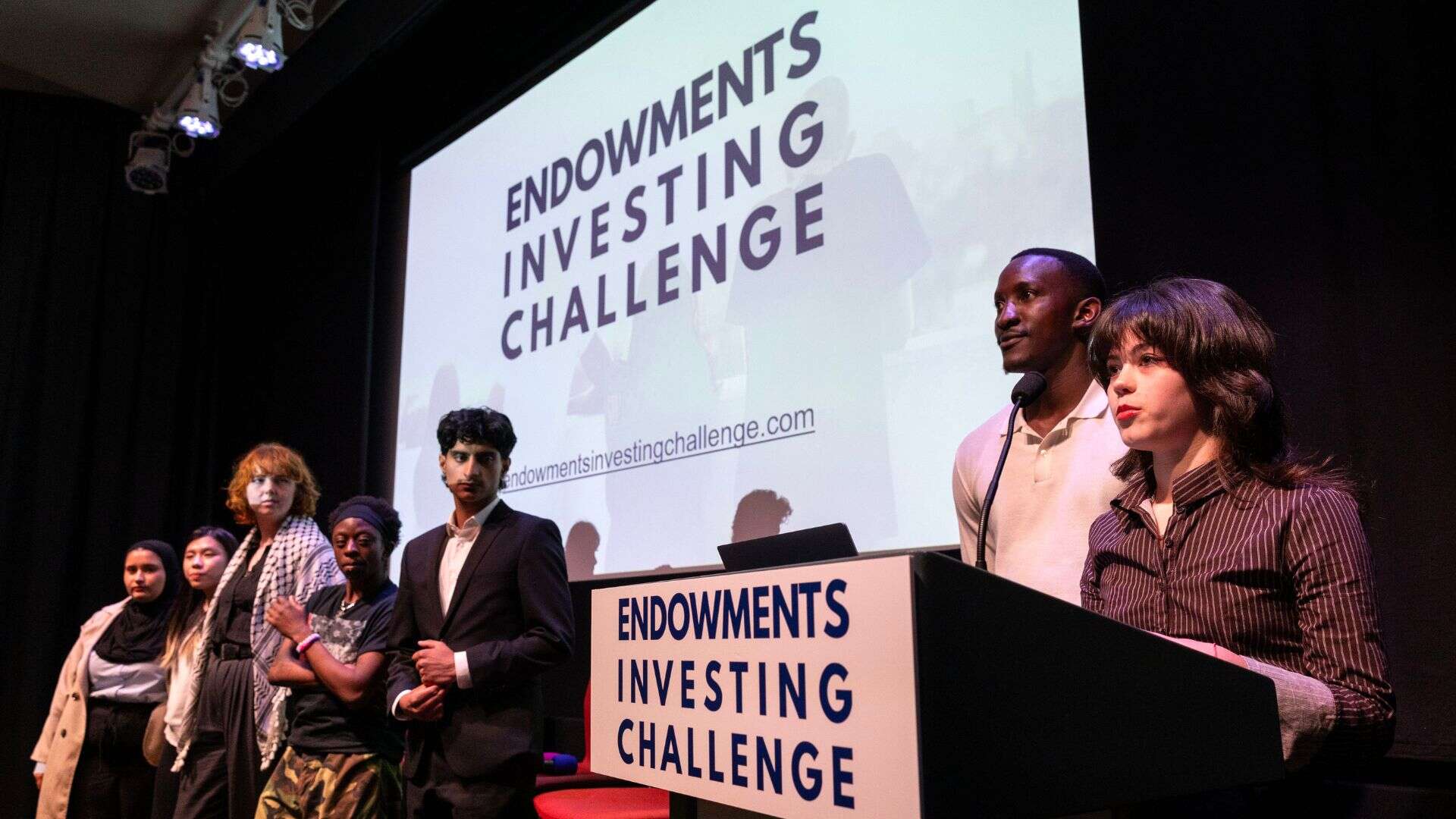
Winner of the Endowments Investing Challenge announced
Six UK charitable investors today announced Triodos Investment Management as the winner of the live vote at the Endowments Investing Challenge – a pioneering initiative seeking a bold investment portfolio to generate positive impact for future generations.
Press Release
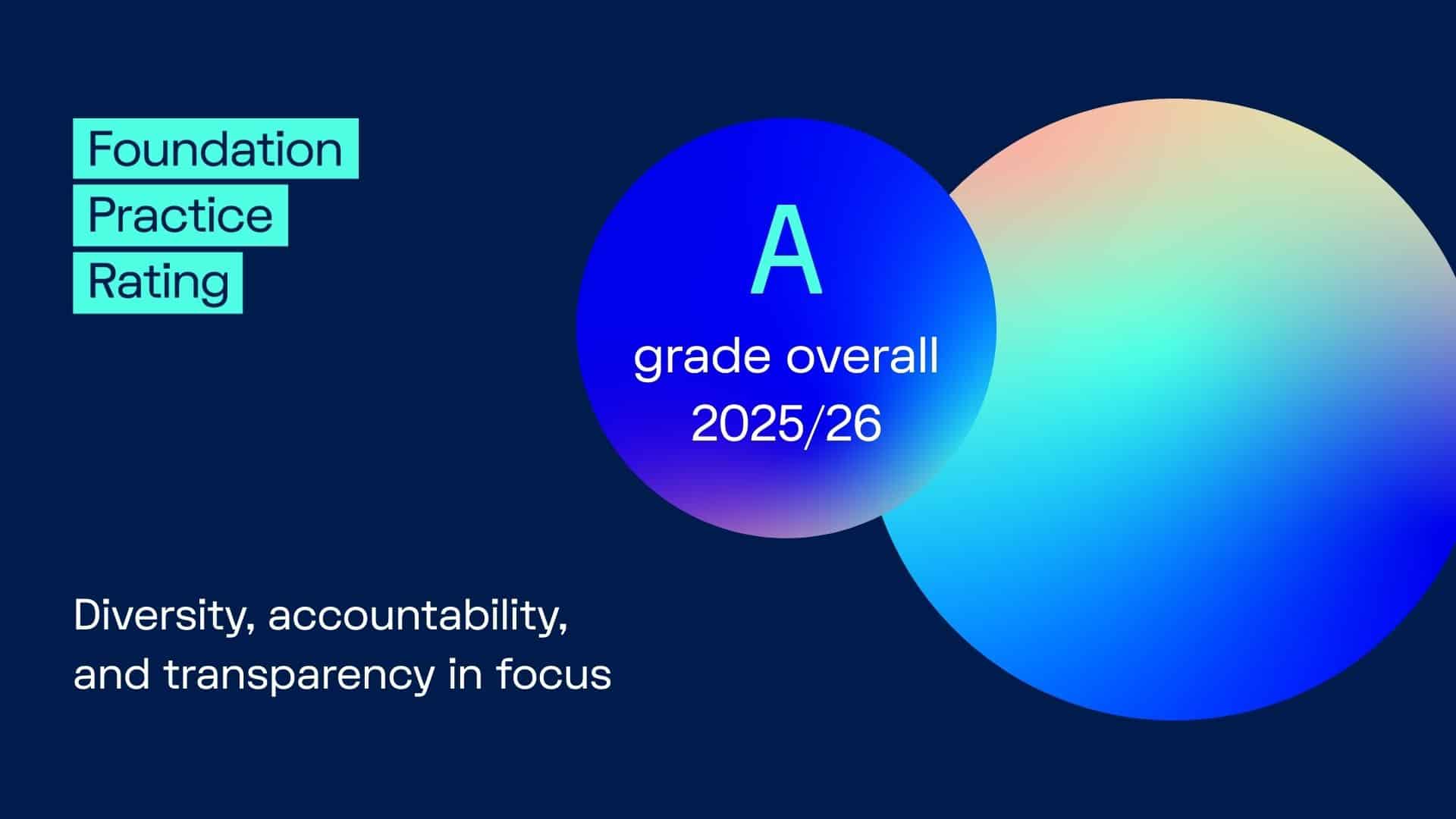
Good news overall from Year Five of the Foundation Practice Rating
The Foundation Practice Rating is an annual sector-wide assessment of the practices in diversity, accountability, and transparency of 100 UK grant-making foundations. This year’s overall results are the strongest yet and show statistically significant improvements since it began five years ago.

Press Release
Welcome to our three new Trustees
Trustees appointed Sayo, Jennifer and Luke to join the Friends Provident Foundation Board from 1 January 2026. They bring expertise from the worlds of philanthropy, corporate finance and charity management.
Press Release
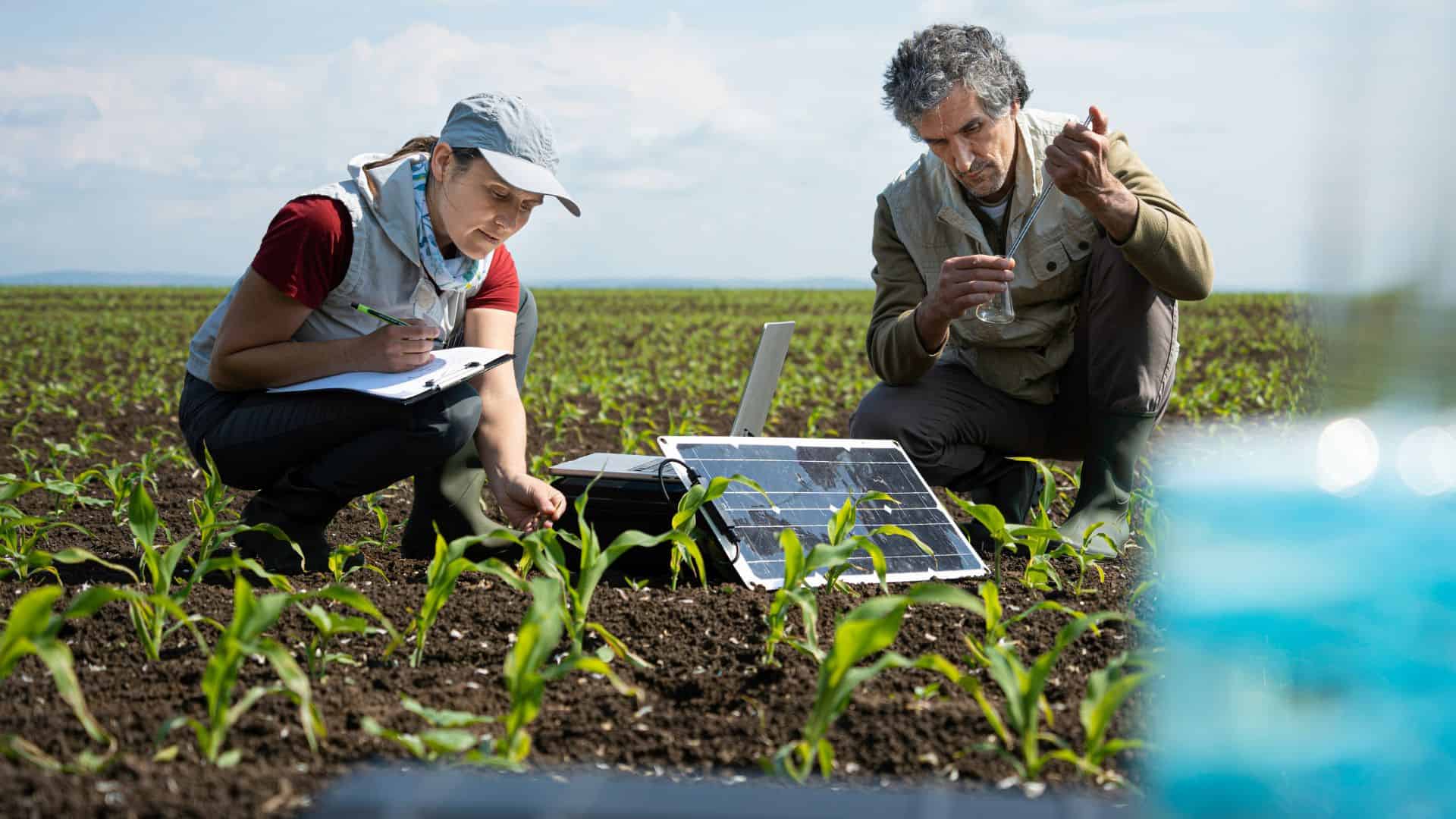
Social Tech Ventures: our latest social investment supporting revenue-first impact tech
Social Tech Ventures today announced the first close of an early-stage venture capital fund investing in revenue-first impact technology companies addressing social and environmental challenges.
Press Release
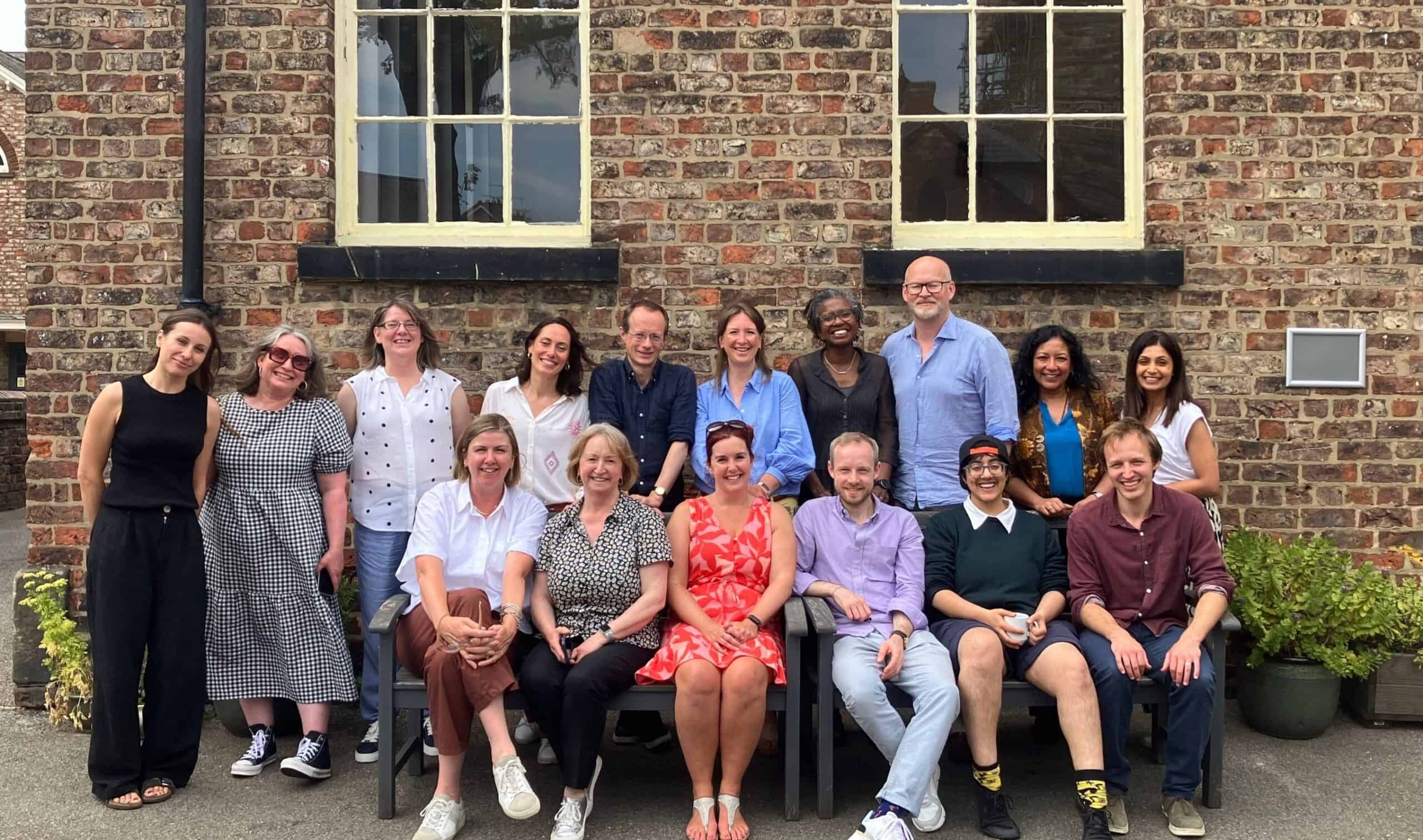
Introducing our new Chair of Trustees, Caroline Taylor, and Resources Committee Chair, Priya Gupta
Caroline Taylor, Chief Executive at Essex Community Foundation, has been appointed our new Chair of Trustees. Priya Gupta, who joined the Foundation a year ago, is now Chair of the Resources Committee.
Press Release
Open call for investment proposals for a £50 million portfolio to benefit future generations
For the Endowments Investing Challenge, we’ve issued a public invitation to investment service providers: propose a bold portfolio for an investment of up to £50 million that prioritises positive impact for future generations.

Press Release
Friends Provident Foundation invests in WorkerTech fund to back start-ups supporting better work
The WorkerTech fund, launched today by Resolution Ventures, aims to improve workers’ lives in sectors experiencing low pay and insecure employment. We’re delighted to be part of the initial £6.75 million in funding.

Press Release
Investors challenge asset managers to prioritise needs of future generations
Leading UK foundations have launched the 2026 Endowments Investing Challenge, with an investment mandate in the tens of millions available. We’re calling upon the investment industry to put the needs of young people first.
Blog
Trustee Recruitment 2025
We’re looking for new Trustees to help guide our programmes of giving and investment, which aim to build a fair and sustainable economy in the UK. We are working toward this aim through supporting action, building knowledge, and using our endowment as a tool for change.

Blog
Q&A Blog: Values in Action at Friends Provident Foundation
A conversation between Trustee Priya Gupta and Friends Provident Foundation Team Members, Danielle Walker-Palmour (Director), Abigail Gibson (Head of Funding Strategy) and James Anthony (Social Investments Portfolio Manager)

Blog
Apply to join the Future Generations Panel
We’re looking for six young adults (aged 18-25) to join a paid advisory group that will support our 2026 Endowments Investing Challenge and help shape how millions of pounds are invested for future generations (deadline: 9am on Monday 28th July).
Annual Report
Report & Financial Statements 2023-2024
Annual accounts and financial statements for 2023-2024, including a focus on two new grant programme themes, celebrating our 20th anniversary year and our work to date, and a reflection on the impact of our Investing olympics.
Annual Report
Report & Financial Statements 2022-2023
Annual accounts and financial statements for 2022-2023, including a report of the Trustees looking at how we’ve used grants, investment capital and bringing partners together to focus on our mission of building a fairer and more sustainable economy.
Blog
Democratising Finance: Empowering Individuals and Building a Fairer Economy
In this webinar, Ethex CEO Lisa Ashford is joined by James Anthony, our Social Investment Portfolio Manager at Friends Provident Foundation, to explore how we can shift financial power into the hands of individuals.

Blog
To Pay Trustees, or Not to Pay Trustees?
Two years ago, during my interview for a trustee position at Friends Provident Foundation (FPF), I asked a straightforward question: Would the role be paid?
Blog
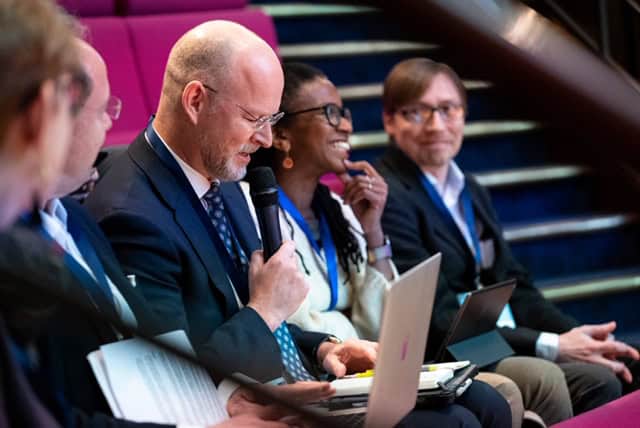
Do You Have a Banking Blind Spot?
Many companies and charities today put a great deal of time and effort into making their businesses as sustainable and ethical as they can be. But there appears to be one enormous blind spot.
How many have considered one of their most important supplier relationships – that with their banker?

Blog
We’re Changing Our Approach to Grantmaking
Friends Provident Foundation is launching a new strand of programme, experimenting with a fresh approach to grantmaking and a new style of application process.
Blog
The 2025 Foundation Practice Rating (FPR) Report is Now Available
The annual Foundation Practice Rating (FPR) report into the performance of charitable
foundations is now available.

Blog
Investors urged to tackle exploitation and improve labour rights in English care sector
The adult social care sector is under great amounts of stress, with evidence both of problematic labour conditions, opaque business models, and a lack of financial sustainability.
Blog
Friends Provident Foundation Appoints New Investment Adviser
We are pleased to announce the appointment of Redington as the new Investment Adviser to Friends Provident Foundation.

Blog
My reflections after 3 months as the Social Investment Portfolio Manager
I’ve now been in my new role as the Social Investment Portfolio Manager at Friends Provident Foundation for just over 4 months.

Blog
Raising the bar: Reflections 3 years after the launch of the Cazenove Capital Sustainable Growth Fund
In 2020, alongside Joffe Trust and Blagrave Trust, we launched a process that was eventually named by Responsible Investor the ‘environmental, social and governance (ESG) Investing olympics’, or the ‘ESG olympics’.
Resource
The Foundation Practice Rating 2023/2024 Report
Resource
Citizens’ Economic Council report
Can involving the public in economic policy-making help the UK tackle the cost-of-living crisis?

Blog
Unleashing the Potential of Impact Measurement in Listed Equities: The crucial role for asset managers (part 1 of 2)
Impact investing is gaining traction, driven by asset owners seeking positive impact.

Blog
Learning to change: Evidence-based practices to support a Just Transition
The global pursuit of a sustainable future has never been more urgent.
Resource
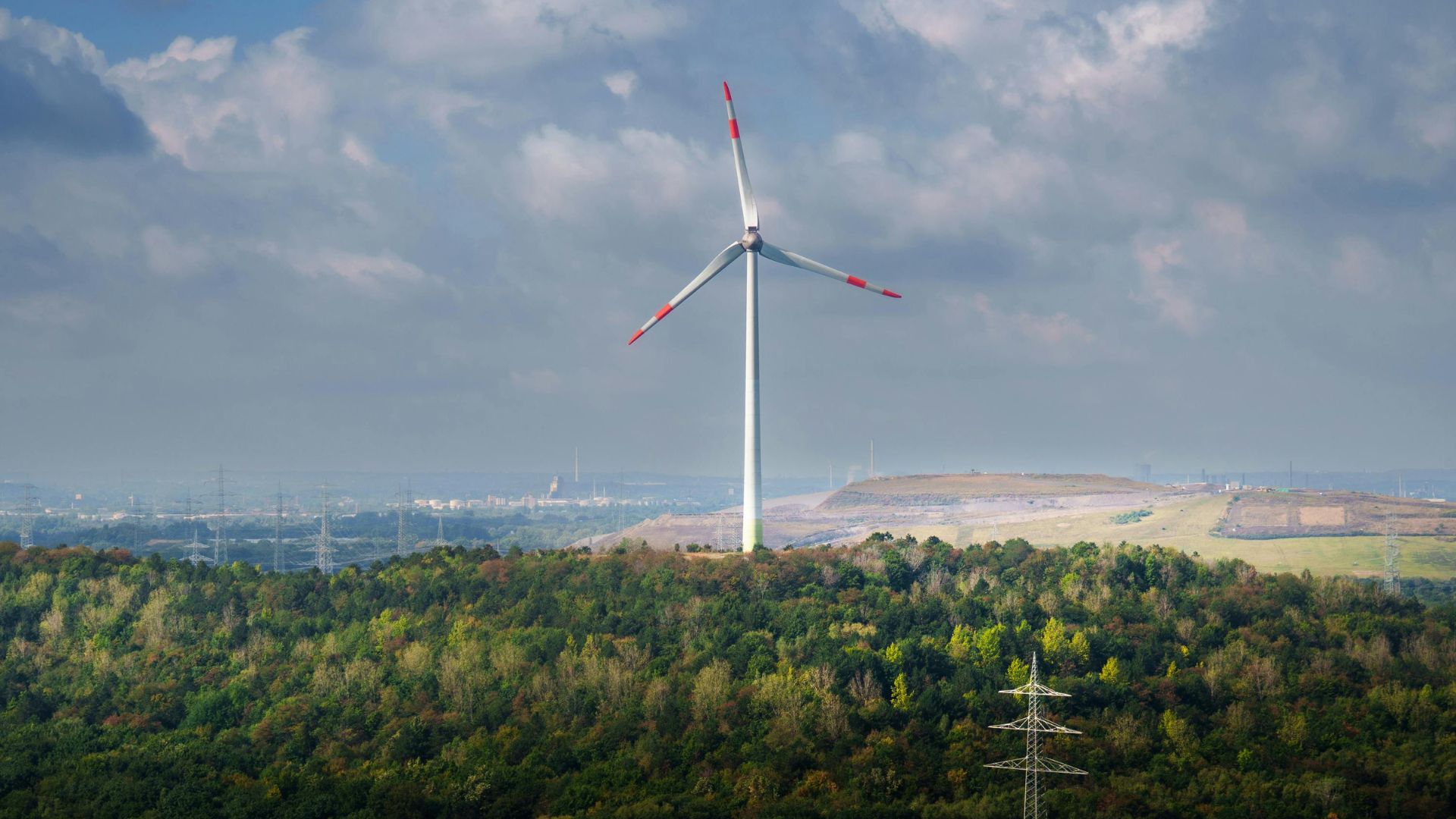
Learning to change: Evidence-based practices to support a just transition
In this report, we delve into the groundbreaking insights derived from three Foundation-funded projects.

Blog
Reflective Blog: Mitie AGM and the Ethnicity Pay Gap
In this reflective blog, I would like to share my experiences and insights from the AGM, where I had the opportunity to stand up and advocate for voluntary ethnicity pay gap reporting.

Blog
Welcome to two new Trustees
We are thrilled to have you here, and we can’t wait to share exciting stories, insights, and updates from the foundation.

Blog
Introducing Charlie Crossley, our new Investment Engagement Manager
Charlie is based in London. In this interview Charlie shares his work experience and motivations in joining the foundation, and talks about the foundation’s ‘4Ds strategy’.

Blog
Foundation Practice Rating Year Two Friends Provident Foundation Reflections
Annual Report
Report and Financial Statements 2021-2022

Resource
Climate emergency declaration
Friends Provident Foundation recognises that business as usual risks climate breakdown with profound consequences for people and planet.
Resource
Financial Inclusion: Annual Monitoring Report 2022
Poorest citizens ‘worn down’ as financial inclusion remains distant dream for the UK. The UK has made little progress in the last decade towards creating a truly financially inclusive society, a new study reveals.
Blog
Conference 2022 – Reflection
Blog
Reflections on Utilising Whole Endowments for Mission event
At Friends Provident Foundation, we believe that an organisation’s mission must be aligned to all activities undertaken by the organisation.

Blog
Community wealth and asset approaches for London

Blog
Friends Provident Foundation to triple capital allocation
Friends Provident Foundation has today announced it will more than double its investment in award winning impact fund Snowball with immediate effect and will invest a further £1m for every £10m Snowball raises.
Resource
Equity and Social Justice Strategy
This is our first update on our equity and social justice plan. You can access this report as a word file, a html website page and as a pdf document.
Resource
Diverse organisational models to address economic, environmental and social challenges
This report illustrates diverse ways of structuring business activity that differ from the widespread and established model of external equity ownership and governance.
Annual Report
Report & Financial Statements 2020-2021

Blog
Equity and Social Justice
At the Friends Provident Foundation, we are dedicated to addressing social injustices and inequity in the economic system.

Blog
All working towards reforming UK grant-making
Deep and meaningful reform to UK grant-making is within reach.

Blog
Foundation Practice Rating
Friends Provident Foundation, as an initiator of the Foundation Practice Rating (FPR), is proud of the impact it is having in our sector.

Blog
Asset manager net zero commitments to be tested at Standard Chartered AGM
Voting at this year’s Standard Chartered AGM is going to be revealing regarding the depth of asset manager commitments to net zero and ESG.

Blog
It’s time to diversify economics to help reclaim it
Why does it appear that the economy is failing to meet humanity’s and our planet’s needs?
Resource
Living well in retirement
An investment and delivery framework to enable low income older home-owners to repair, improve and adapt their homes.
Resource
COP26 declaration: asset owner climate expectations of asset management
We are pleased to join 24 other asset owners as a founding signatory to the ‘COP26 declaration: asset owner climate expectations of asset management’.

Blog
Leveraging all our capital for a Just Transition
We are delighted to be at COP26 today to speak at the London School of Economics Grantham Research Institute fringe event on ‘How we can deliver a Just Transition’.

Blog
OUTstanding LGBT+ Future Leaders
Our colleague Jake Furby, our Communications Manager since March was nominated to OUTstanding LGBT+ Future Leaders Role Model List 2021.

Blog
It is time to end greenwashing in asset management
We are pleased to join 24 other asset owners as a founding signatory to the ‘COP26 declaration: asset owner climate expectations of asset management’.


Resource
Economist Education Video
When Friends Provident Foundation (FPF) began its programmeme to explore how the economy might serve society better, it was based on several views.

Blog
Programme Advisory Group – Reflections by Dan Jones
Dan Jones one of our PAG members has reflected on his experiences of being a PAG member.

Blog
Economist Education Poem
Do you care about life in the oceans, the quality of air about local communities and equal opportunities about our history, local and worldwide, the global south and western divide.

Blog
Decolonising Economics
Friends Provident Foundation is an independent charity that makes grants and uses its endowment towards a fair and sustainable economic system that serves society
Annual Report
Report & Financial Statements 2019-2020

Blog
Anti-Racism Blog (A personal perspective)
As we come to the anniversary of George Floyd’s murder, Jake Furby our Communications Manager reflects on being a mixed-race person working in the charity sector.

Blog
Accountability, Transparency and Diversity Rating System
As friends, grant-holders and wider stakeholders know, Friends Provident Foundation is committed to principles.

Blog
Mental Health Awareness Week Blog
Resource
Charity Finance Article ESG olympics state of the sector report
This article explores our publication in Charity Finance magazine on our ESG olympics ‘state of the sector’ report and our recommended minimum standards.
Resource
Changing the balance: lessons learned from sharing power, ownership and control
On 15 December 2020 Friends Provident Foundation (FPF) hosted a virtual roundtable of recent and current grant recipients.

Blog
Equality, Diversity and Inclusion
Hi there, my name is Jake and I am the Communication Manager for Friends Provident Foundation.

Blog
When grantholders don’t laugh at your jokes
Resource
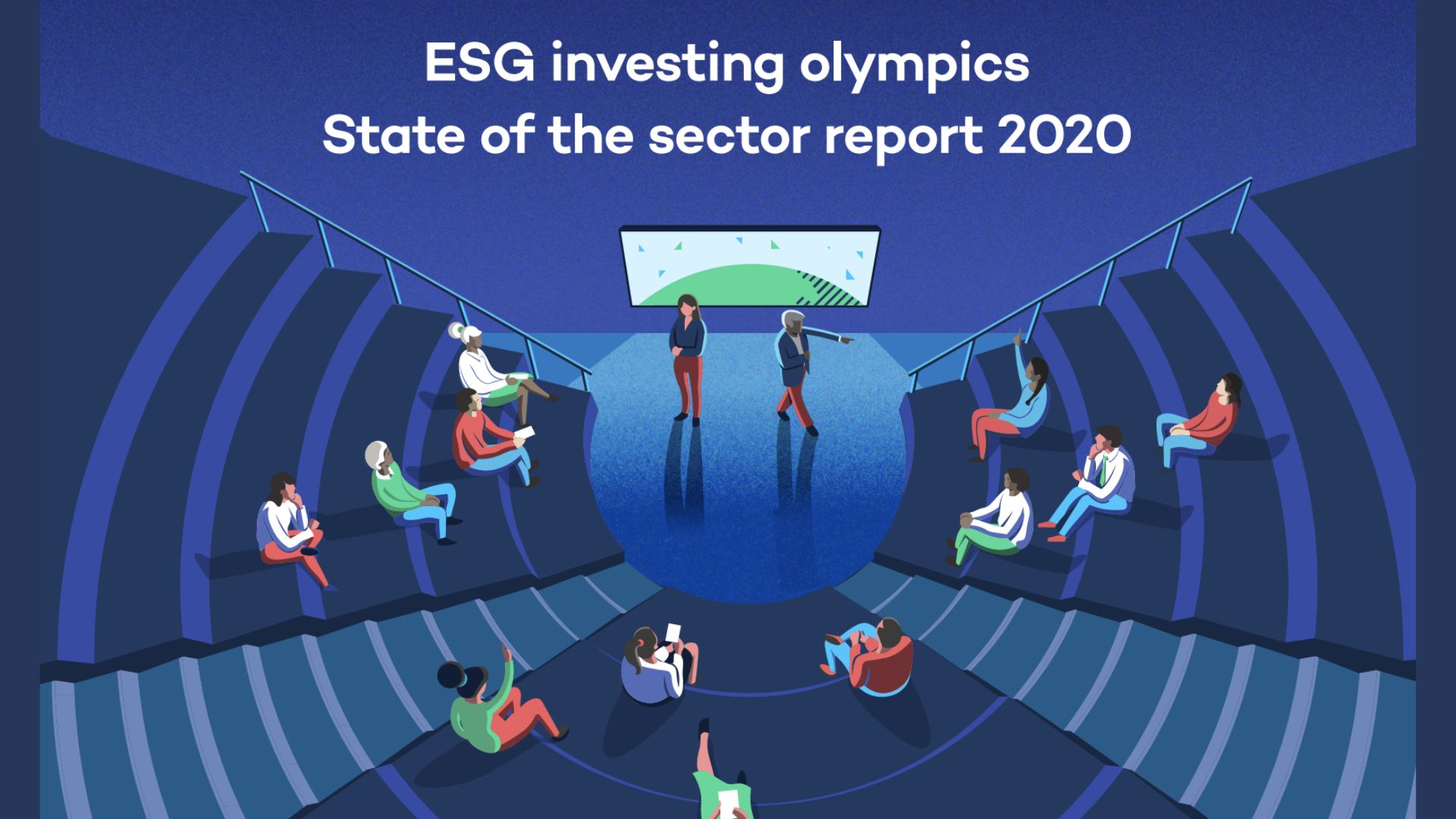
ESG investing olympics -state of the sector report
Three charities – Friends Provident Foundation, Joffe Trust and Blagrave Trust – came together to launch the 2020 ‘ESG investing olympics’.

Blog
‘ESG investing olympics’ state of the sector report launched

Blog
Journeying to a new economy that respects people and nature
Blog
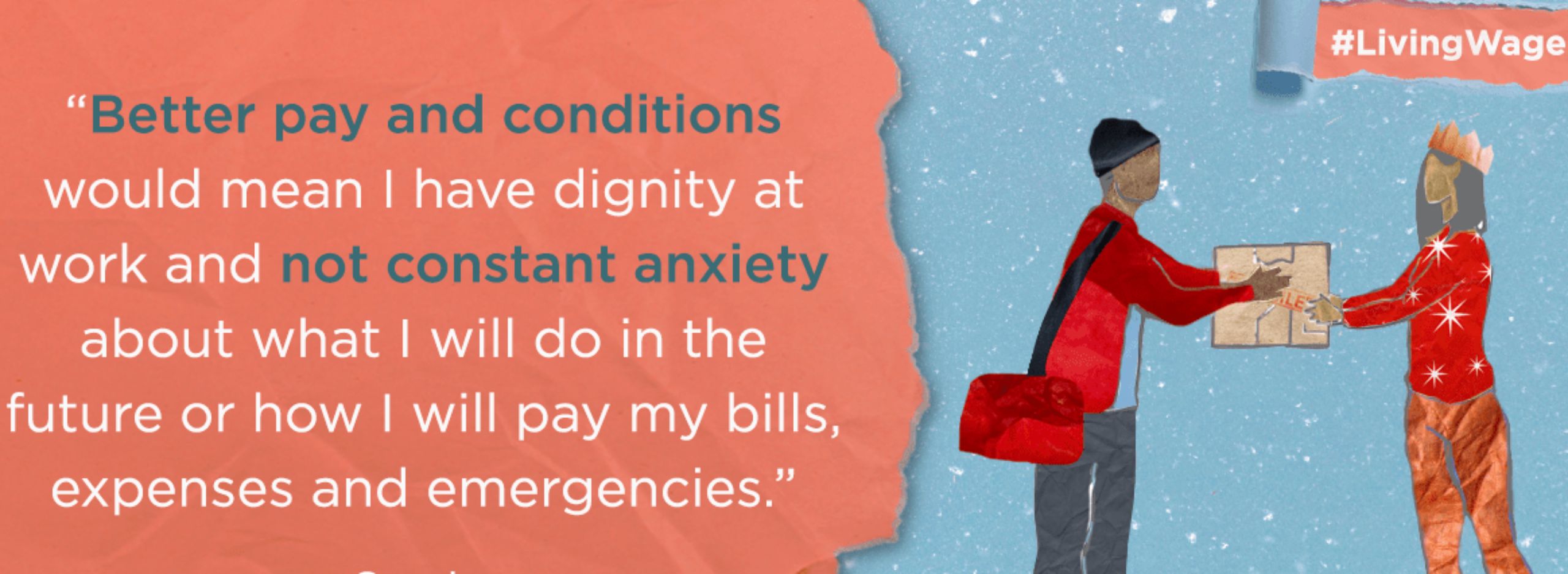
Where is the ‘S’ of ESG and what is needed?
Resource
The Behavioural Economy
This report sets out a 10-point plan to upgrade economic policy with a deep understanding of human behaviour at its core.

Blog
Putting humans at the heart of economic policy

Blog
Applause for SSE’s sector first Just Transition strategy

Blog
Uniting the circular economy and social justice

Blog
Solar trains pioneer first UK business to make legal commitment to ‘just transition’

Blog
What is at stake in the upcoming reform on corporate sustainability reporting in the EU?
Blog
Cazenove declared winner of the ‘ESG investing olympics’

Blog
Are future generations around your board table?

Blog
Developing financial resilience in individuals, communities and economies
Blog
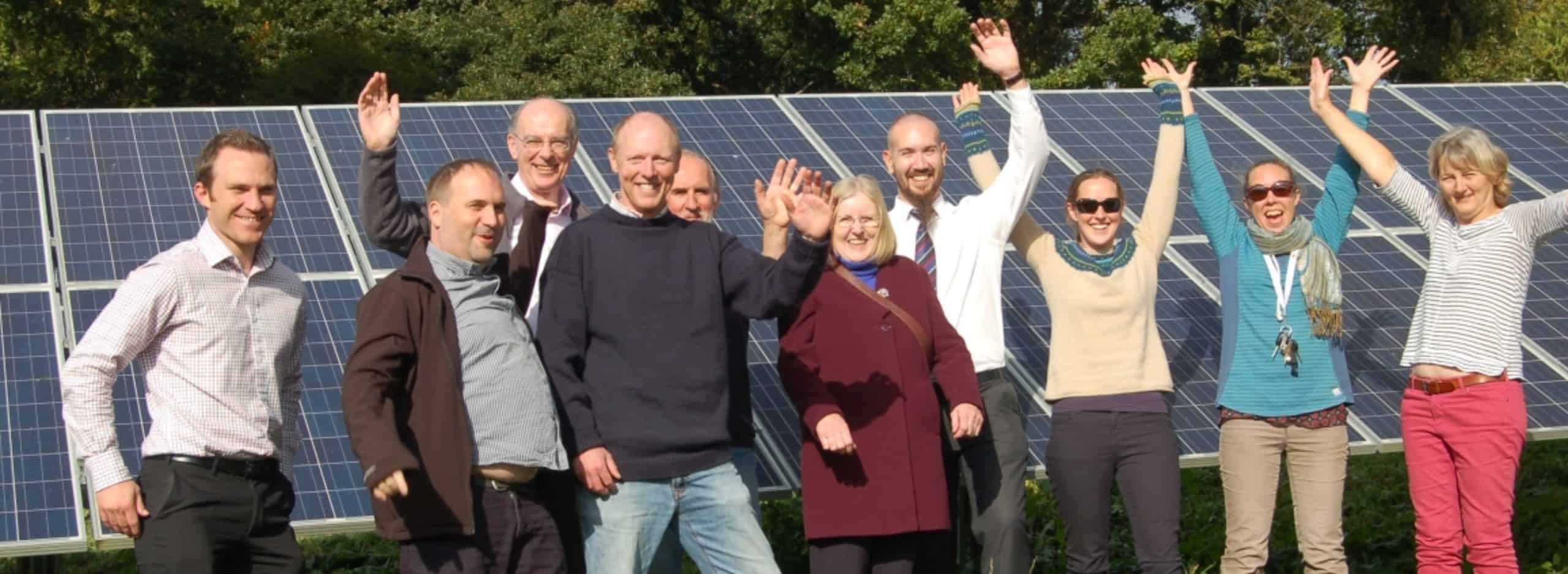
Supporting communities to power a sustainable low-carbon future

Blog
Unusual collaborations for unusual times
This blog explores the Centre for Cities’ webinar set out the latest statistics on unemployment across the country, as measured by Universal Credit and Job Seekers Allowance.


Blog
Short food supply chains needed in the face of climate change and pandemics
Resource
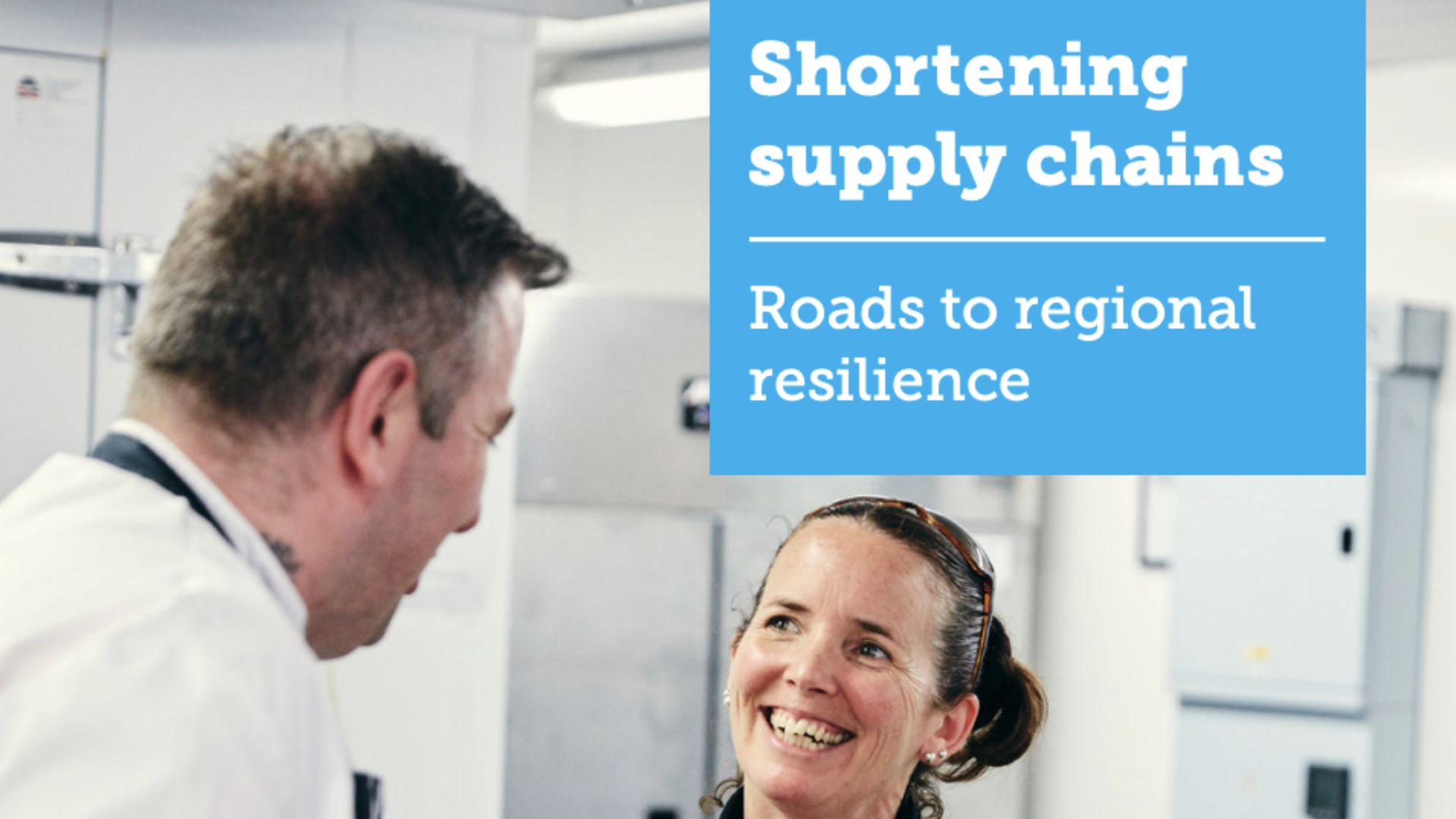
Shortening Supply Chains: Roads to Regional Resilience
This report looks at innovative farmers, businesses and councils who are proving sustainable sourcing can be more resilient as well as being more environmentally friendly.
Blog
Open letter to asset managers ahead of climate vote at today’s Total AGM

Blog
Total’s climate ambition is poor, investors must support our shareholder resolution

Blog
Stewarding our land for current and future generations – inspiration from the Welsh Valleys
Resource
The Colour of Money: race and economic inequality
This report – by Dr Omar Khan of Runnymede – focuses on how economic and wider social inequalities affect Black and minority ethnic (BME) people in Britain.

Blog
The Colour of Money: race and economic inequality
Black and minority ethnic (BME) people in Britain face extensive and persistent economic inequality, finds Runnymede’s latest report The Colour of Money: How racial inequalities obstruct a fair and resilient economy.
Annual Report
Report & Financial Statements 2018-2019
Resource
Time for Action
This report focuses on the role of the financial system.


Blog
Charities launch ESG ‘investing olympics’
Three charities have invited asset managers to make proposals for the investment of £33.5 million in an initiative called the ESG ‘investing olympics’.
Resource
Investment Mandate Request for Proposals
Friends Provident Foundation, the Joffe Trust and the Blagrave Trust are inviting asset managers to make proposals for the management of funds totalling £32m.

Blog
Funders come together on climate change

Blog
Time for a Carer’s Passport
Carers in the workplace should be provided with a ‘carer’s passport’ which would qualify them for financial support.
Resource
Power to Participate: a specification for community energy to participate in a flexible energy system
This report looks at how our electricity system is changing.
Blog
Staying flexible: why aren’t communities providing more network flexibility services?
Regen’s senior project manager, Tim Crook, explains how community energy organisations could play a bigger role in providing network flexibility.

Blog
Friends Provident Foundation lends its support to global strike for climate
Resource
Women at work: Designing a company fit for the future
This report by Friends Provident Foundation journalist fellow Deborah Hargreaves sets out to examine what would happen if women could re-imagine the way they work and how the business is run.

Blog
Women at work – designing a company fit for the future
If women could re-imagine the way they work and how the business is run, what would they do?

Blog
York Festival of Ideas: How does the economy work, who benefits and who loses?
York Festival of Ideas runs from 4 June to 16 June and will present over 200 mostly free events under the banner of A World of Wonder.

Blog
Women at work: designing a company fit for the future
Annual Report
Report & Financial Statements 2017-2018

Blog
Rating Private Sector Political Transparency
Transparency International is the world’s leading non-governmental anti-corruption organisation.

Blog
Check out The Money Question
This article explores Positive Money who have launched the Money Question.
Blog
If community energy is treated fairly, it will play a role in the just transition
The energy market is being disrupted like never before with economics, technology, and business model innovation driving a transition towards decarbonised, decentralised and more democratised energy.

Blog
Reshaping the economy to work for all: New Commission on a Gender – Equal Economy
At the Women’s Budget Group (WBG), we are best known for our analysis of UK government policy for its impact on women.
Resource
A review of current thinking about the nature of work and economic resilience
Projects funded by the Friends Provident Foundation contribute variously to proposing new solutions.

Blog
Brexit in Saxony
We’ve become familiar with a certain sinking feeling the morning after a big political event.
Resource
Economic inequality and racial inequalities in the UK
Inequality has risen up the public and policy agenda.

Blog
Purpose. Is it enough?
Earlier this year, Danielle Walker Palmour was privileged to accept an invitation from Philanthropy Australia to give the closing keynote speech.

Blog
Women in the workplace
There are many inspirational women who are trying to do things differently in order to make work suitable for them – often challenging entrenched views on their roles and functions.
Resource
Evaluating the Building Resilient Economies Programme
In 2013 Friends Provident Foundation launched the Building Resilient Economies programmeme, motivated by the failures of the economic system to meet the needs of society and the environment.

Blog
Journalist fellowship line-up announced

Blog
Evaluating the Building Resilient Economies Programme
Blog
Making good decisions for the future
Shea Buckland-Jones from the Institute of Welsh Affairs shares his personal experience of the Well-being of Future Generations Act 2015

Blog
Why pensions are both dangerous …. and exciting!
Pensions can seem like a dauntingly complex and – let’s be blunt – boring subject.

Blog
The energy system is in flux, let’s ready ourselves for a community takeover
Good news! The transition to a decarbonised, decentralised and democratised energy system is underway, says Colin Baines, Investment Engagement Manager at Friends Provident Foundation.

Blog
Building energy resilience in low income communities
What happens to low income households whose energy bills suddenly increase?
Resource
Creating a Social Care Trust Fund
This Select Committee Report outlines that a citizens’ wealth fund could provide long-term sustainable funding for adult social care, ensuring that everyone is treated fairly and equally whatever their health needs.

Blog
Fair pay for fair work: a look at executive compensation
Last year we supported the introduction of mandatory executive pay ratio reporting, which is expected to become law soon.
Resource
Fair Pay for Fair Work: A Look at Executive Compensation
This report by St Paul’s Institute makes recommendations to build on the recently improved disclosures on pay ratios.
Resource
Remodelling Capitalism: how social wealth funds could transform Britain
A pioneering new citizens’ wealth fund in the UK could provide a universal annual cash dividend and eventually a weekly basic income.

Blog
Creating Britain’s first citizens’ wealth fund
A pioneering new citizens’ wealth fund in the UK could provide a universal annual cash dividend and eventually a weekly basic income, says a new report, Remodelling Capitalism – How Social Wealth Funds could transform Britain.
Resource
Building Community Resilience
This report explores how community benefit societies can support the shift towards a more resilient, sustainable and fairer economic system.

Blog
Tackling the drivers of wealth inequality
We need a Citizens’ Wealth Fund so everyone shares in economic growth, says Carys Roberts from IPPR
Annual Report
Report & Financial Statements 2016-2017

Blog
A food and farming system that’s ‘best in show’
What does a future-proof farming and food economy look like?

Blog
Journalist Fellowship 2018
The Friends Provident Foundation Journalist Fellowship 2018 reflects the Foundation’s ongoing commitment to support new ideas about how we can build a fair and more resilient economy to drive a better world.

Blog
A new partnership begins
Friends Provident Foundation and New Philanthropy Capital are now working in partnership to evaluate the foundation’s Building Resilient Economies programmeme and its wider impact.

Blog
Switching millennials on to saving
A newly published report by ShareAction, Switching millennials on to saving, draws together arguments about the need to tackle low levels of saving.
Blog
A revelatory and entertaining book
A revelatory and entertaining book about the pitfalls of how we measure our economy and how to correct them, has been published.
Blog
A first for the UK
Mean Moor Community Wind Farm in Cumbria is thought to be the first wind farm in the country to be transferred to community ownership from a commercial developer.

Blog
Setting the bar higher
Danielle Walker Palmour explains how a determination to use all of Friends Provident Foundation’s resources in pursuit of its mission.

Blog
Making the case for building local economies
Centre for Local Economic Strategies

Blog
Moving Beyond Neoliberalism
As part of the recent Festival of New Economic Thinking, we supported the launch of Michael Jacobs and Laurie Laybourn-Langton’s thought provoking report Moving Beyond Neoliberalism.
Resource
Gridlock in UK Power Markets: How Big Six capture of the regulatory process poses investor risk
This report examines energy utilities and risks arising from the market transition to decarbonisation, decentralisation and democratisation (3Ds).
Resource
Financial Inclusion Annual Monitoring Report 2017
This report is the last in a series of five annual monitoring reports commissioned to monitor progress towards or away from financial inclusion in Britain.
Resource
Wise Minds: The energy transition and large utilities
The UK energy system is in flux. It is changing more quickly – and more fundamentally – than at any point since the Industrial Revolution.
Resource
Making the Most of Brexit
The UK’s decision to leave the EU creates both opportunities and risks in both the process of negotiation and the outcomes for the UK.
Resource
Moving beyond neoliberalism
Neoliberalism – the set of socioeconomic ideas and policies which have dominated public life over the last 40 years – has failed.
Resource
Financial Innovation Today, Toward Economic Resilience
We are at the threshold of a cultural war over the meaning of money.
Resource
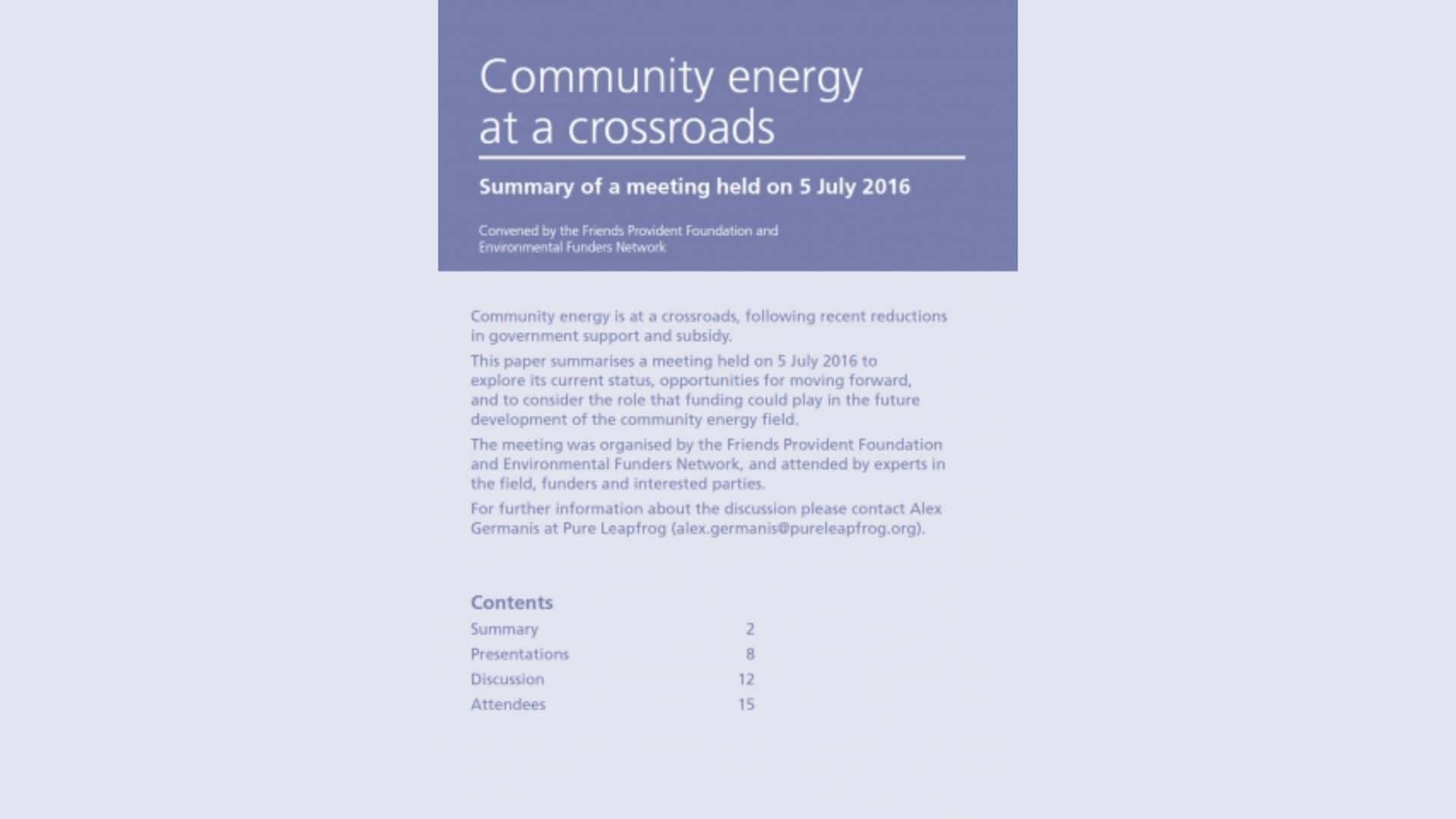
Community Energy at a Crossroads
Community energy is at a crossroads, following recent reductions in government support and subsidy.
Resource
Financial Inclusion Annual Monitoring Report 2016
This report is the fourth in a series of five annual monitoring reports commissioned to monitor progress towards or away from financial inclusion in Britain.
Resource
Creating Good City Economies in the UK
In 2015 the Friends Provident Foundation awarded funding to the Centre for Local Economic Strategies and the New Economics Foundation.

Annual Report
Report & Financial Statements 2015-2016

Blog
The UK’s burgeoning alternative finance industry
A new report into the UK’s burgeoning alternative finance industry is calling on the Government to underwrite consumers’ investments in the sector in a bid to encourage wider participation.

Blog
Global investors sign letter to the G20
Friends Provident Foundation has joined with a range of global investors in signing a letter to the G20 in support of the adoption of the Paris Agreement in December 2015.

Blog
Journalist Fellowship Announced
Friends Provident Foundation announces David Pilling, Africa Editor of the Financial Times, as the winner of the first 2016 Friends Provident Foundation Journalist Fellowship.

Resource
2015 Clore Social Fellows
2015 Clore Social Fellows
Resource
Financial Inclusion Annual Monitoring Report 2014
This report is the second in a series of five annual monitoring reports commissioned by the Friends Provident Foundation to measure changing levels of financial inclusion in Britain.
Resource
People Powered Prosperity: Ultra-local Approaches to Making Poorer Places Wealthier
Can we find economic techniques which cities can use effectively to tackle their own market failures – and release their own wasted economic potential – and if so, why hasn’t this happened already?
Resource
Developing resilient local economies: good practice among local enterprise partnerships
Our project builds upon emerging thinking about the kind of post-recession economy we are building in Britain, and the kind of economic growth that we are seeking to achieve.
Resource
Co-op Clusters
This report presents findings from research conducted into the problems restricting the growth of co-operative housing.
Resource
Community Chest
The UK’s economy is unbalanced in two ways.
Resource
Financial System Resilience Index
This report on resilience in financial systems, from the New Economics Foundation, richly repays reading.
Resource
Resilient economies video wall
The specific question we posed to them was: “What would you do if you had a million pounds to build a more resilient economy?” The video wall below showcases their responses …
Resource
Women’s financial assets and debts
Fawcett launched a new project in March 2006 to plug gaps in understanding of the differences between women’s and men’s financial assets and debt.
Resource
Living well in retirement
An investment and delivery framework to enable low income older home-owners to repair, improve and adapt their homes.
Resource
Mapping Economic Resilience
This report was compiled for Friends Provident Foundation by nef to assist its development of a new social change programmeme.
Resource
How financial inclusion and consumer issues might impact on the new Financial Conduct Authority
The paper reports on a seminar held in 2012 to discuss financial inclusion in the new regulatory environment.
Resource
The Store: evaluation
Funders and stakeholders wanted to assess the sustainability of the rent-to-own model developed by The Store social enterprise in Stanley, Co. Durham.
Resource
Emotional relationships with money and financial behaviour: Analysing the Big Money Test
In 2011 over 100,000 people took part in the BBC LabUK’s Big Money Test, a survey launched on the consumer affairs programmeme Watchdog.
Resource
How much does ‘free banking’ cost?
This assessment is important and topical due to rising international regulatory disapproval of the pricing methods.
Resource
Can payday loan alternatives be affordable and viable?
London Mutual Credit Union (LMCU) had become increasingly alarmed by the escalating and often detrimental use of costly payday loans by already overindebted households.
Resource
Sustainable Debt Advice Project Pilot: Final Evaluation
AdviceUK, in partnership with Payplan and ACM Solutions1, has conducted a pilot to test the viability of a sustainable debt advice model.
Resource
Financial inclusion in social housing: policy into practice
More than one in four households in Britain is excluded from mainstream financial services.

Resource
Right Use of Money
As the world continues to become ever more interconnected and complex, the decisions we take when spending and investing money not only affect ourselves.