



What we’re learning from changing our approach to grantmaking
Date: 09/07/2026

Last year, we made changes to our grantmaking approach, including trying a more conversation-based Stage 1 and shifting some of the burden of application writing from applicants to our team. These changes were motivated by a desire to make our processes feel more accessible, more relational, and less focused on applicants producing lengthy written applications. We wanted to create more opportunities for dialogue, reduce unnecessary work, and build a better understanding of ideas at an earlier stage.
Since then, we’ve been paying close attention to how the changes are working in reality. We’ve gathered feedback from applicants and grant partners, alongside our own reflections as a team. We also commissioned Modern Grantmaking to capture independent feedback from the first cohort with whom we tried this approach.
This blog post shares some of the key things we’ve learned and how that learning is shaping what we do next.
What we’ve learned so far
One of the strongest messages from the feedback is that, for many people, this approach has been a genuinely positive shift. The move to a more conversation-based Stage 1 has changed the quality of early engagement, creating space for more open discussion, better questions, and a clearer understanding of ideas. As one applicant told us:
“It felt more human, like a conversation rather than trying to write what you think a funder wants to hear.”
We’ve also seen clear benefits in being able to engage earlier. In a number of cases, we’ve been able to offer an early steer where something isn’t a strong fit, suggest alternative routes or opportunities, or help organisations decide whether investing further time in an application makes sense.
We’ve also heard positive feedback about the way we communicate decisions, even when they are disappointing. As one applicant reflected:
“Thank you again for such a generous and transparent response. It is exactly the kind of feedback that helps strengthen work going forward.”
That feels like an important shift towards a process that is not just about selection, but about being more open and useful along the way.
At the same time, the feedback has helped us understand some of the tensions within this approach. One of the clearest is that changing the format of an application process doesn’t automatically reduce the effort involved.
For some applicants, particularly those who had already developed written proposals, our drafting of Stage 1 applications created a sense of duplication. Others told us they would prefer to retain more control over how their work is described, rather than having this drafted by us.
There’s also something about how the process feels that we’ve been reflecting on. Building relationships earlier in the process has real benefits, but it can also create a sense of momentum or expectation. As one piece of feedback put it:
“Because of the conversations, it felt like we were already on a journey together, so the ‘no’ came as more of a surprise.”
We’ve always tried to be clear that the programme is highly (and increasingly) competitive, and that positive early engagement is not an indication of likely success. However, it is understandable that a more relational approach can feel different in practice, and we need to be clearer about this from the outset.
Another area where we’ve heard consistent feedback is the transition between stages: Stage 1 has often felt supportive and exploratory, while some have found Stage 2 repetitive and a contrast in terms of the level of support offered.
What we’re changing
Multiple routes into Stage 1
We’ve recognised that there isn’t a single “right” way for people to apply. All applicants will be offered (but do not have to accept) a short informal pre-application conversation. Following this, they can choose between a Friends Provident Foundation staff-written Stage 1 application based on a structured conversation, or submitting their own written proposal followed by a feedback discussion with a member of the team. The intention is to give more flexibility while retaining the benefits of early dialogue.
A more focused and coherent Stage 2
We’re also changing Stage 2 of our application process, where we’ve heard the clearest feedback. Rather than asking applicants to re-present their proposal, the output from Stage 1 will now form the backbone of Stage 2. Applicants will be asked to refine and strengthen what has already been shared, responding directly to feedback and questions, alongside providing supporting documentation and taking part in a more focused conversation.
This should create a clearer through-line between the stages and allow Stage 2 to focus on what it is really there for: testing assumptions, exploring delivery, and understanding risk and impact.
Continuing to learn
This isn’t a finished model, and we don’t expect it to be. What matters to us is continuing to pay attention to how our processes feel in practice, being open about what’s working (and what isn’t), and making changes where we need to.
We’re grateful to everyone who has shared feedback with us so far, both through our survey and very generously through direct conversations. It can be daunting to bring this sort of feedback to a funder, and we appreciate the trust, openness and constructive challenge from our community. That feedback genuinely shapes what we do.
Our aim isn’t to achieve a perfect process, but to keep building one that is as clear, fair, transparent and useful as possible for everyone involved. We’ll keep learning, and we’ll keep sharing that learning as we go.
Blog
What we learned when we opened up our investment decision-making
Investment decision-making happens behind closed doors. Find out what happened when we opened the doors on our investment decisions through the Endowments Investing Challenge.
Blog
Reflections from the conversation corners – shifting cultural perceptions of the economy conference
Reflections from our recent conference, exploring different aspects of economic systems, culture, power, participation and social change through structured conversations.
Blog
Resources and inspiration shared at the Shifting cultural perceptions of our economy conference
The Shifting Cultural Perceptions of our Economy conference was a thought provoking and inspiring day of talks, connections, and learning. Many resources and sources of inspiration were shared, which we’ve pulled together in one place.
Blog
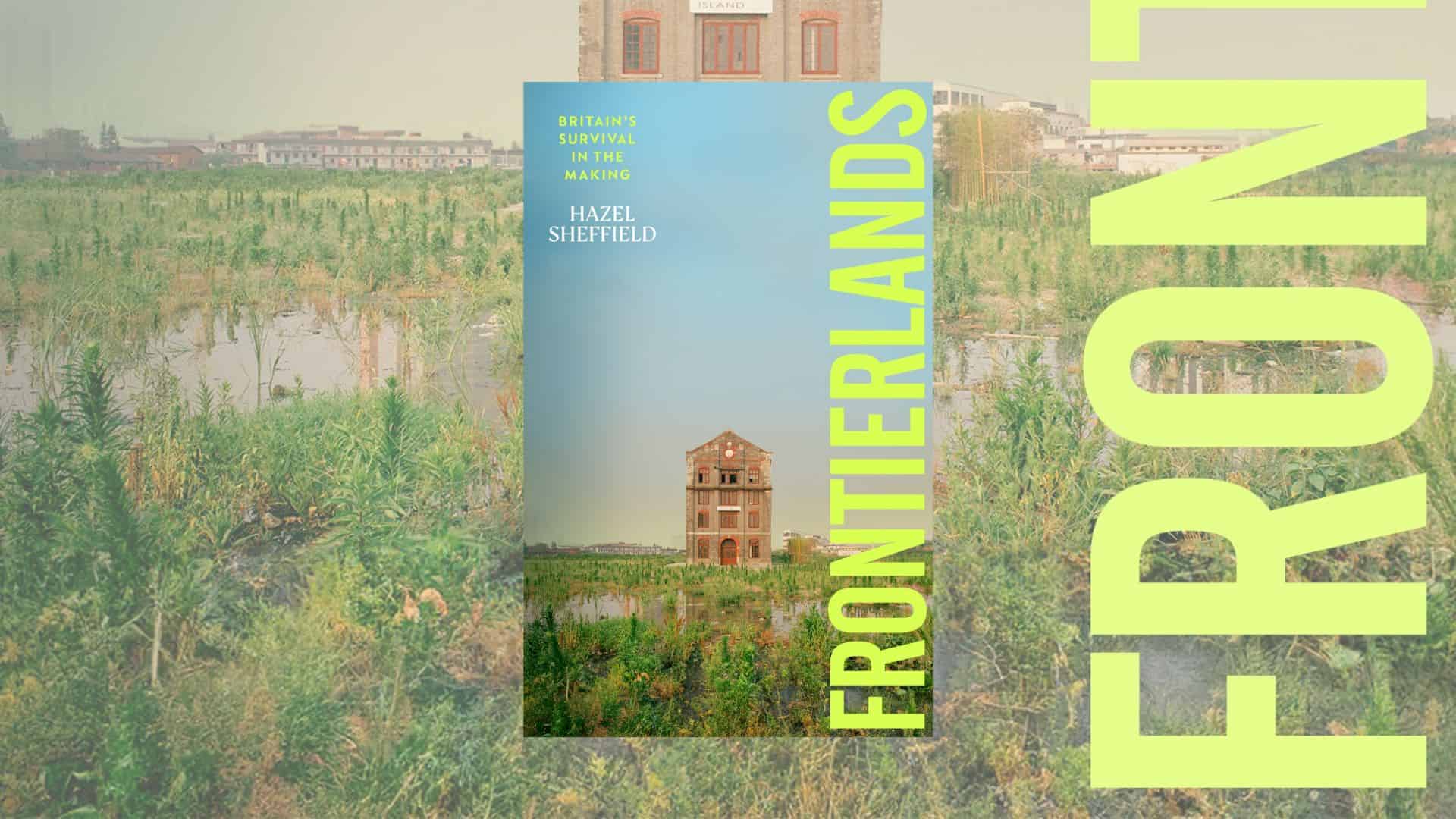
Frontierlands: an interview with author Hazel Sheffield
Hazel Sheffield is a business reporter and investigative journalist. Friends Provident Foundation supported Hazel’s , Far Nearer, which formed part of the work that led to her recently published first book, Frontierlands. We interviewed Hazel about her research and book, which is a remarkable exploration of what can be achieved when we come together and see the possibilities in the derelict and forgotten places many of us walk by without seeing.