



Reflections from the conversation corners – shifting cultural perceptions of the economy conference
Date: 23/06/2026
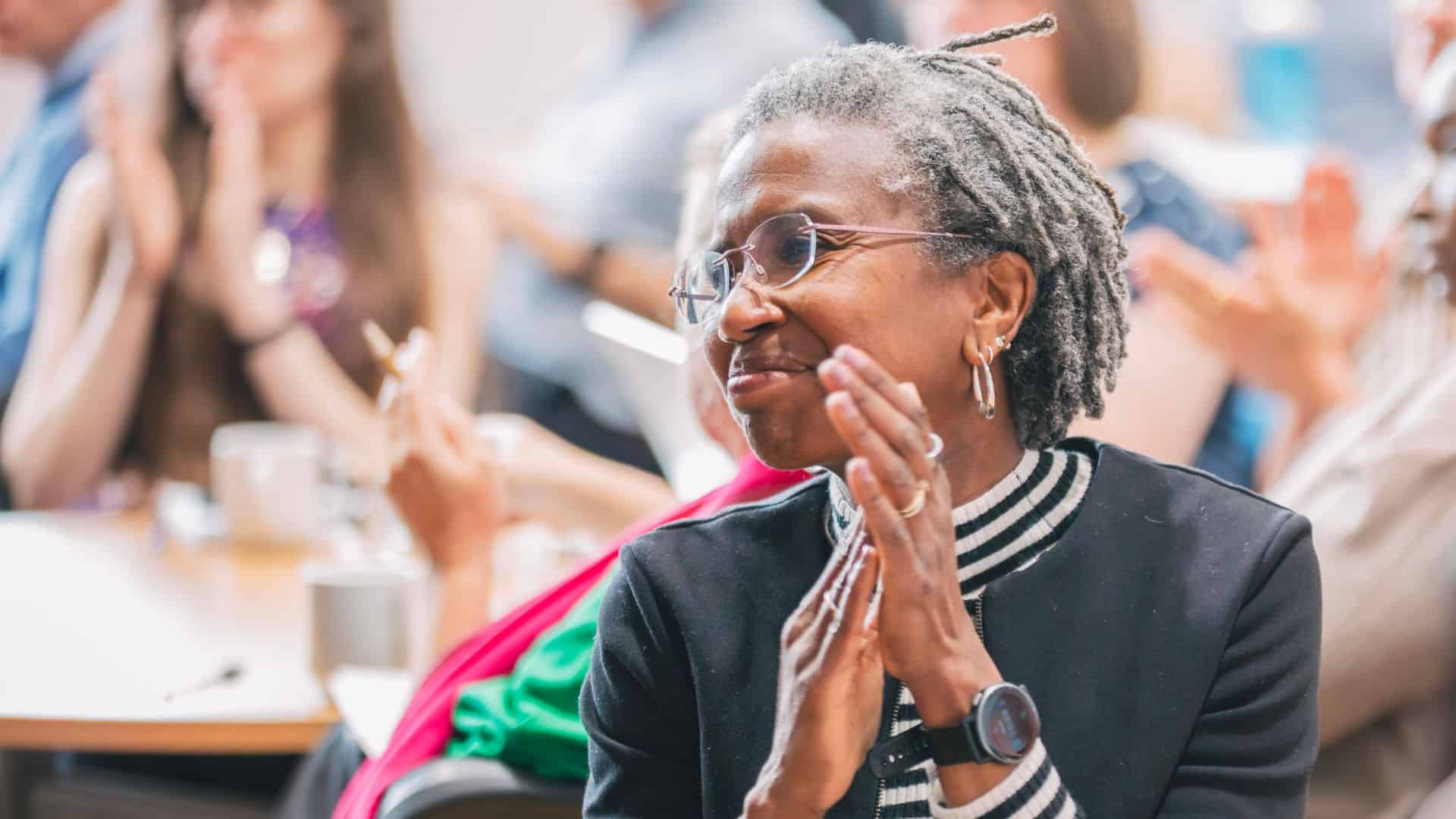
As part of our Shifting Cultural Perceptions of the Economy conference in York, participants were invited to join a series of Conversation Corners exploring different aspects of economic systems, culture, power, participation and social change.
The Conversation Corners were designed as informal spaces for discussion, reflection and exploration rather than formal workshops. Hosts were invited to share reflections on the themes, insights, questions and learning that emerged from their conversations.
This report brings together those reflections. It is not intended to represent consensus views across participants, but rather to capture some of the ideas, tensions and opportunities that surfaced during the day.
Economics on EastEnders? How we can leverage pop culture to change the narrative
Host: Sophie Hobson (Heard)
Overview
This session explored the role of popular culture, television and storytelling in shaping public understanding of economic issues. Participants discussed how narrative change can occur through entertainment and cultural representation, and how economic ideas might be embedded within stories that reach mainstream audiences.
Key themes and learning
Participants recognised that discussing economics through popular culture may require moving away from explicitly economic language altogether. Instead, stories can demonstrate how economic systems affect people’s lives through relatable characters, relationships and experiences.
There was considerable enthusiasm for the potential of television and popular culture as tools for long-term narrative change. Participants reflected on the limitations of traditional campaigning and communications approaches and were interested in more creative and culturally embedded methods of engagement.
A recurring theme was the importance of “showing rather than telling”. Fictional narratives can reveal the structural causes of economic injustice through realistic storylines rather than overt messaging.
Discussion also explored:
- How organisations can engage effectively with television writers and producers.
- Why some cultural interventions succeed while others struggle to gain traction.
- The factors behind the success of programmes such as Mr Bates vs The Post Office and Adolescence.
- The importance of authentic and constructive representation, particularly of young people.
Areas for further exploration
Participants highlighted the value of shared framing principles and raised questions about whether existing framing research on the economy should be refreshed to reflect changing social and political contexts.
Notable reflection
One participant described a “lightbulb moment” when discussing the relationships audiences form with television characters, recognising how these emotional connections may create particularly powerful routes to narrative change.
The legal roots of how we perceive the economy – and how you can rewrite them
Hosts: Apolline Roger (Client Earth) and Leela Jadhav (Common Wealth)
Overview
This session explored the relationship between law, economic systems and cultural perceptions, examining how legal frameworks shape social and economic realities.
Key themes and learning
Many participants were unfamiliar with thinking about law as a force that shapes economic systems and cultural norms. The session generated considerable curiosity about how law influences both economic outcomes and public perceptions.
Participants found strong connections between these ideas and wider discussions throughout the conference about narratives, systems and cultural change.
Emerging questions
A recurring challenge was that conversations about law often generate practical legal questions, even when the focus is intended to be broader and more conceptual. This highlighted the need to carefully manage expectations when discussing legal dimensions of systems change work.
Participants also reflected on how knowledge about the role of law could be more widely shared and understood.
Notable reflection
One participant remarked: “I had absolutely no idea that law worked like that.” The comment reflected the extent to which legal systems often remain invisible despite their significant influence on economic structures and everyday life.
Funders’ fables
Host: Danielle Walker Palmour (Friends Provident Foundation)
Overview
This discussion focused on the role of philanthropy within movements for economic change, exploring questions of legitimacy, accountability, power and participation.
Key themes and learning
Participants reflected on the legitimacy of foundations and funders as actors within economic systems. While funders are themselves economic institutions, this dimension is not always openly discussed.
The conversation highlighted the importance of accountability, particularly in place-based work where relationships and responsibilities can be more visible and tangible.
One idea that resonated strongly was the suggestion that organisations should maintain a “bravery” or “boldness” register alongside traditional risk registers, helping them reflect on where they have taken courageous action and where they may need to do so in future.
Emerging questions
Key questions included:
- How should funders balance accountability to communities with accountability to boards and donors?
- What role should funders play within wider movements for economic change?
- How can power imbalances between funders and others be made more visible and manageable?
Notable reflection
Participants emphasised the importance of creating relational spaces where people can genuinely listen to one another before attempting collective action.
A new political philosophy for a new economy movement
Host: Ben Kellard (fellow at Cambridge’s Institute for Sustainability Leadership)
Overview
This session explored emerging work on developing shared principles for a new economy and considered how these principles might help create greater coherence across the field.
Key themes and learning
Participants recognised a growing need for a clearer shared vision of what the new economy movement stands for. There was a desire for greater coherence without sacrificing the diversity of perspectives and approaches that characterise the field.
The discussion considered the role of the state within a future economy. Participants reflected on the possibility of a more capable and confident state, while also recognising existing public mistrust of state institutions.
There was also significant discussion about power, particularly the influence of finance and large economic actors. Participants explored how power might be more evenly distributed across economic institutions.
Emerging questions
Discussion focused on:
- What a transition to a new economy might look like in practice.
- How quickly relationships between economic actors can be transformed.
- How economic actors can be incentivised to support change.
- The relationship between narratives, principles and policy proposals.
Notable reflections
Participants highlighted the importance of distinguishing between desired outcomes and the means used to achieve them.
There was also interest in developing more compelling descriptions of what a new economy would feel like in practice, rather than focusing solely on institutions and policy frameworks.
Who gets to define value? Shifting how capital markets think about systemic change
Host: Sarah Teacher (Impact Investing Institute)
Overview
This session explored how investors and financial institutions understand value, and how narrative change might influence capital allocation and systemic economic outcomes.
Key themes and learning
Participants discussed the importance of starting with the mental models that investors already use, such as risk, resilience and fiduciary duty, rather than attempting to replace those frameworks entirely.
There was strong interest in the role of shared values – including security, wellbeing, resilience and children’s futures – as effective entry points for engagement.
The discussion also highlighted the need to move beyond purely intellectual arguments and create more emotional or experiential connections to economic issues. Participants reflected on the importance of helping people understand their role within wider systems and recognise their agency within them.
A recurring theme was that meaningful change often requires meeting people where they are while maintaining a longer-term transformational ambition.
Emerging questions
Participants explored several ongoing tensions:
- Working within existing systems versus pursuing more fundamental transformation.
- Pragmatism versus ambition.
- Whether current valuation models can adequately capture social and environmental value.
- Accountability within financial systems, particularly pensions and asset ownership.
Areas for further exploration
Participants suggested further work on:
- Creating deeper experiential engagement with economic systems.
- Connecting technical financial concepts to everyday life.
- Identifying effective narrative entry points for different audiences.
- Understanding leverage points within financial institutions and asset ownership structures.
- Making power and accountability more visible throughout financial systems.
Notable reflections
Several ideas resonated strongly throughout the discussion:
- “People need to read themselves into the proposition.”
- “Let them see their role in the wider system.”
- “It’s not a told thing — it’s about creating the conditions for people to reach their own conclusions.”
- “Change is never comfortable. It’s an evolution, not a revolution.”
Economics for all
Hosts: Poverty Truth Network (Claire, Kate and Martin)
Overview
This session invited participants to imagine a future economy in 2060 and reflect on how society might have reached that point. Drawing on Roman Krznaric’s concept of The Good Ancestor, participants were asked to imagine the future from the perspective of members of the Poverty Truth Community rather than from their own perspectives.
The exercise encouraged participants to step outside their usual frames of reference and consider what an economy might look like if it were shaped by the experiences and wisdom of people living with poverty.
Key themes and learning
Participants reflected on how difficult it can be to genuinely inhabit someone else’s perspective, while recognising how rarely this kind of perspective-taking is incorporated into conversations about economic change.
The discussion highlighted the importance of ensuring that people with lived experience of poverty are not simply consulted but are central to shaping visions of alternative economic futures.
Participants also noted the value of imagination as a tool for change. By locating themselves in the future and looking back, they were able to move beyond current constraints and think more creatively about what might be possible.
Several themes emerged repeatedly:
- The importance of lived experience and everyday expertise in shaping economic thinking.
- The value of creating spaces where people can listen with genuine curiosity.
- Recognition that meaningful change takes time but must begin somewhere.
- The importance of grounding future visions in the realities of people’s lives.
- The need to recognise forms of contribution and value that are often overlooked, including care, community support and lived expertise.
Emerging questions
The main tension identified was the challenge of setting aside existing expertise, assumptions and professional identities in order to listen openly to perspectives that are often marginalised.
Participants reflected on how difficult this can be, particularly for people accustomed to approaching issues as experts or professionals.
Areas for further exploration
Participants felt the wider movement should continue exploring how the experiences and wisdom of people living with poverty can remain central to conversations about economic transformation.
A principle that emerged strongly was: “Nothing about us without us is for us.”
Notable reflections
Participants described the exercise as both enjoyable and insightful. Imagining a future economy appeared to generate energy, optimism and creativity while remaining grounded in lived experience.
One participant reflected: “I’ve never really thought of benefits as a core part of the economy before.”
Others noted that the exercise was “grounded in the real” and helped generate insights that might otherwise have been overlooked.
Blog
What we learned when we opened up our investment decision-making
Investment decision-making happens behind closed doors. Find out what happened when we opened the doors on our investment decisions through the Endowments Investing Challenge.
Blog
Resources and inspiration shared at the Shifting cultural perceptions of our economy conference
The Shifting Cultural Perceptions of our Economy conference was a thought provoking and inspiring day of talks, connections, and learning. Many resources and sources of inspiration were shared, which we’ve pulled together in one place.
Blog
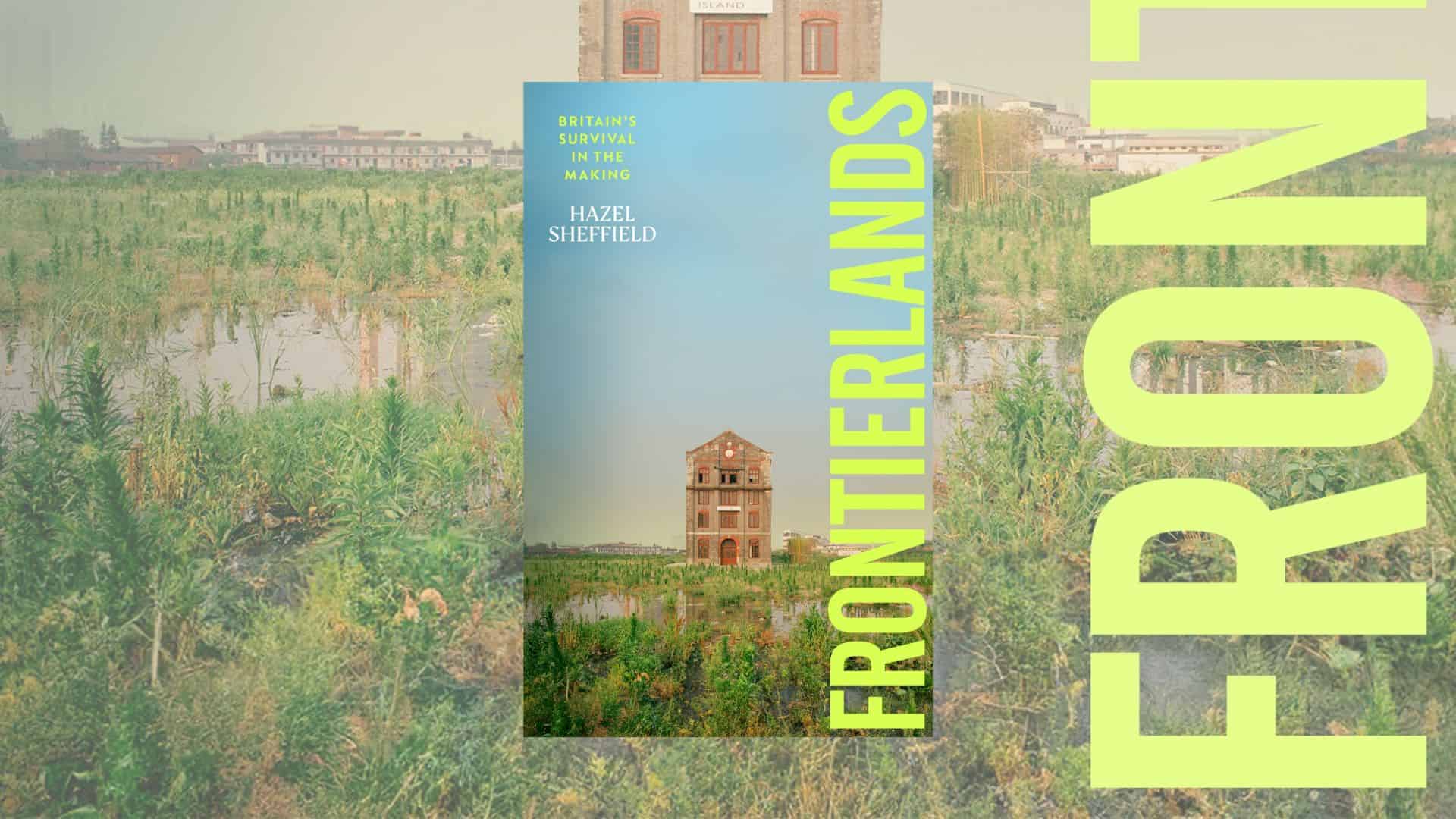
Frontierlands: an interview with author Hazel Sheffield
Hazel Sheffield is a business reporter and investigative journalist. Friends Provident Foundation supported Hazel’s , Far Nearer, which formed part of the work that led to her recently published first book, Frontierlands. We interviewed Hazel about her research and book, which is a remarkable exploration of what can be achieved when we come together and see the possibilities in the derelict and forgotten places many of us walk by without seeing.